Lending Analytics That Turn Financials into Credit Decisions
Modern lending decisions are driven by structured risk analysis, not gut feel. This pillar explains how lenders translate financial statements into credit views-covering PD/LGD/EAD, covenant modeling, loan pricing, stress testing, and early-warning indicators that surface risk before it becomes loss.
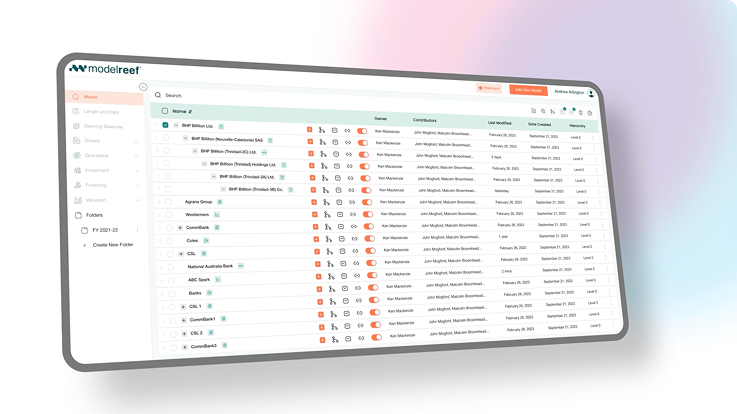
From Financial Statements to Credit Approval
These articles walk through the core analytics lenders use to assess risk, price loans, monitor covenants, and stress-test portfolios-grounded in cash flow and three-statement logic.

Credit Risk Modeling Explained: PD, LGD, EAD and Expected Loss in Plain English
View articles

Covenant Modeling for Lenders: DSCR, Leverage, Interest Cover, and Headroom
View articles
From Financial Statements to Credit Decision: Building a Lending Decision Model
View articles
AI Lending Platforms: Where ML Helps (and where it can’t replace credit policy)
View articles
Lending Analytics: Credit Risk Modeling for Smarter Lending Decisions
View articles
Loan Pricing Model Basics: Rate, Fees, Risk Premium, and Cost of Capital
View articles
Lending Scenario Analysis: Stress-Testing Rates, Revenue Shocks, and Recovery Assumptions
View articles
How to Build a Simple Expected Credit Loss Calculator (Worked Example)
View articles
How to Build a Covenant Breach Early-Warning Dashboard from a 3-Statement Model
View articles
How to Model Loan Amortisation Schedules: Bullet vs Annuity vs Revolver
View articles
Start Here: Core Lending Analytics in Practice
If you’re building or reviewing credit models under time pressure, these are the most practical entry points.
Credit Risk Modeling Explained: PD, LGD, EAD and Expected Loss in Plain English
View articles
Covenant Modeling for Lenders: DSCR, Leverage, Interest Cover, and Headroom
View articles
How to Build a Covenant Breach Early-Warning Dashboard from a 3-Statement Model
View articlesRelated Pillars That Strengthen Credit Analysis
Lending analytics sits on top of strong cash flow modeling, forecasting, and scenario analysis. These pillars connect directly.
Cash Flow Forecasting
View articles
Discounted Cash Flow (DCF)
View articles
Investment Screening
View articles
Scenario Analysis
View articles
Three-Statement Financial Modeling
View articles
Explore More From Model Reef
Learn by watching - Model Reef tutorials
Short, focused videos that show you how to go from raw data to live, structured financial models.
Getting Started
Learn the fastest way to import data, map it correctly and compile your first working model - in minutes.
View Getting Started Tutorials
Model Structure
See how a well-organised model is built - branches, categories, naming, and structural conventions that scale.
View Model Structure Tutorials
Drivers, Variables & Formulas
Understand how drivers, vehicles, and formulas work together so you can build dynamic, reliable forecasts.
View Driver & Formula Tutorials
Variable Types
Understand how Master revenue, COGS, opex, staff, tax, assets, liabilities and equity variables - and how each flows into the statements., variables and formulas work together so you can build dynamic, reliable forecasts.
View Variable Type Tutorials
Charts, Reports & Scenarios
Learn how to create dashboards, reporting packs, comparisons and scenarios for investors, boards and clients.
View Reporting & Scenario Tutorials
Collaboration & Governance
Share models confidently with roles, permissions, branches and clean workspace organisation built for teams.
View Collaboration TutorialsHelp Center
Find answers fast - from setup and integrations to advanced modelling and collaboration.
Use Cases
See how Model Reef is used for SaaS, retail, multi-entity consolidation, funds, project finance and more.
Browse all use casesHelp Articles
Step-by-step guides for importing data, building models, and understanding outputs.
Open Help ArticlesSyntax
Field-level explanations: variables, drivers, timing, formulas and charts.
Explore Syntax ReferenceHow Tos
Task-based recipes: build a DCF, consolidate entities, set up economics and dashboards.
Browse How TosDiscover the Tools Behind Model Reef
Every feature you read about in Articles - from integrations to dashboards - runs on Model Reef’s automation engine.
Explore the technology that keeps your models fast, reliable, and connected across every workflow.
Looking for More?
Discover how teams use Model Reef to collaborate, automate, and make faster financial decisions - or start your own free trial to see it in action.
Want to explore more? Compare plans .
Trusted by clients with over US$40bn under management.